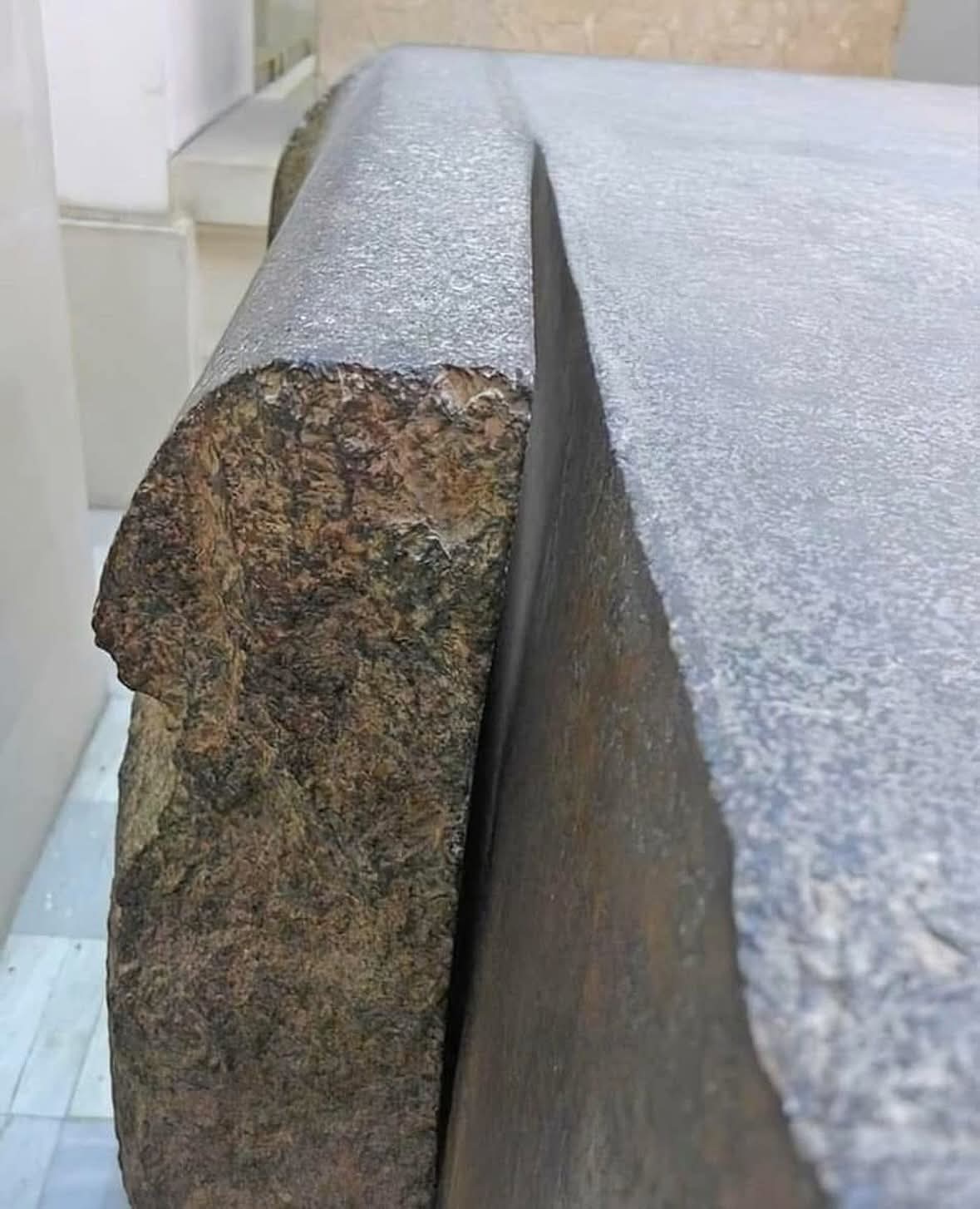
Massive blocks of andesite and sandstone lie scattered across the site, many weighing dozens of tons. Some pieces are carved with sharp angles, smooth surfaces, and intricate joints that still surprise engineers today. The precision suggests careful planning and skilled craftsmanship, especially considering the tools available in the Andes more than a thousand years ago. Puma punku formed part of the larger Tiwanaku civilization near Lake Titicaca in present-day Bolivia. At its height, Tiwanaku was a powerful cultural center connected to agricultural systems, trade networks, and ceremonial architecture spread across the high plateau. The structures at Pumapunku were likely part of a monumental complex tied to ritual and political authority. What fascinates researchers today is not only the scale of the stonework but the way it was organized. The blocks appear to have been designed to fit together in highly structured patterns, suggesting a building method that relied on planning long before construction began. Even in ruin, the stones reveal a level of ambition that continues to spark curiosity.

World History
Public . 11-Mar-2026The first thing people notice at Puma punku is the stone.

0
0
0
Reacts
0
View
21,087
Comment
0